Pest Control Franchise Territory: Charlotte, NC
Own a Pest Control Business in One of America's Fastest-Growing Markets
Charlotte, North Carolina isn't just booming; it's one of the most strategically positioned pest control markets in the country. With nearly a million residents, hundreds of thousands of homeowners, a subtropical climate that keeps pests active year-round, and a housing market that's grown faster than almost any other major U.S. city, the Charlotte territory represents a rare opportunity for the right franchise owner.
PestMaster is actively seeking qualified franchise candidates to claim one of the Charlotte, NC territories. Here's why this market stands out, and why the window to act is now.
Charlotte, NC Territory Snapshot
904,000+
467,000+
188,000+
$82,068
$399,070
1995
Why Charlotte Is an Exceptional Pest Control Market
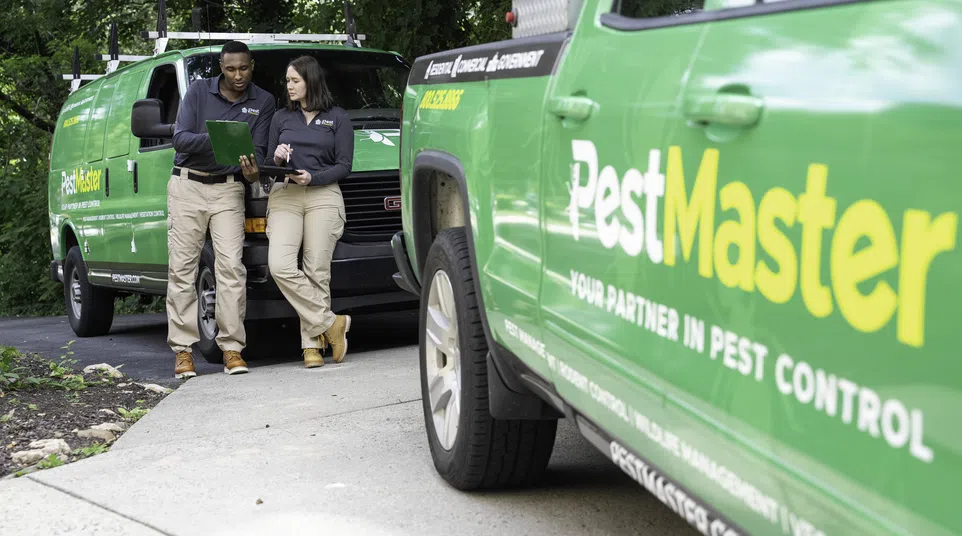
Charlotte's Housing Market: Built for Recurring Service Revenue
The average home prices in the Charlotte market have increased in recent years to $399,070. Homeowners in this market have invested heavily in their properties and are motivated to protect them. That's a potential driver of recurring pest control subscriptions, termite bonds, and preventative treatment programs.
Charlotte's housing consists of 467,000 households, with many being detached single-family homes, the ideal structure type for whole-home pest control programs and perimeter treatments. Single-family detached homes represent higher average ticket values and greater upsell potential than apartment-based markets.

Common Pest Pressures in the Charlotte Market
The PestMaster Advantage in Charlotte
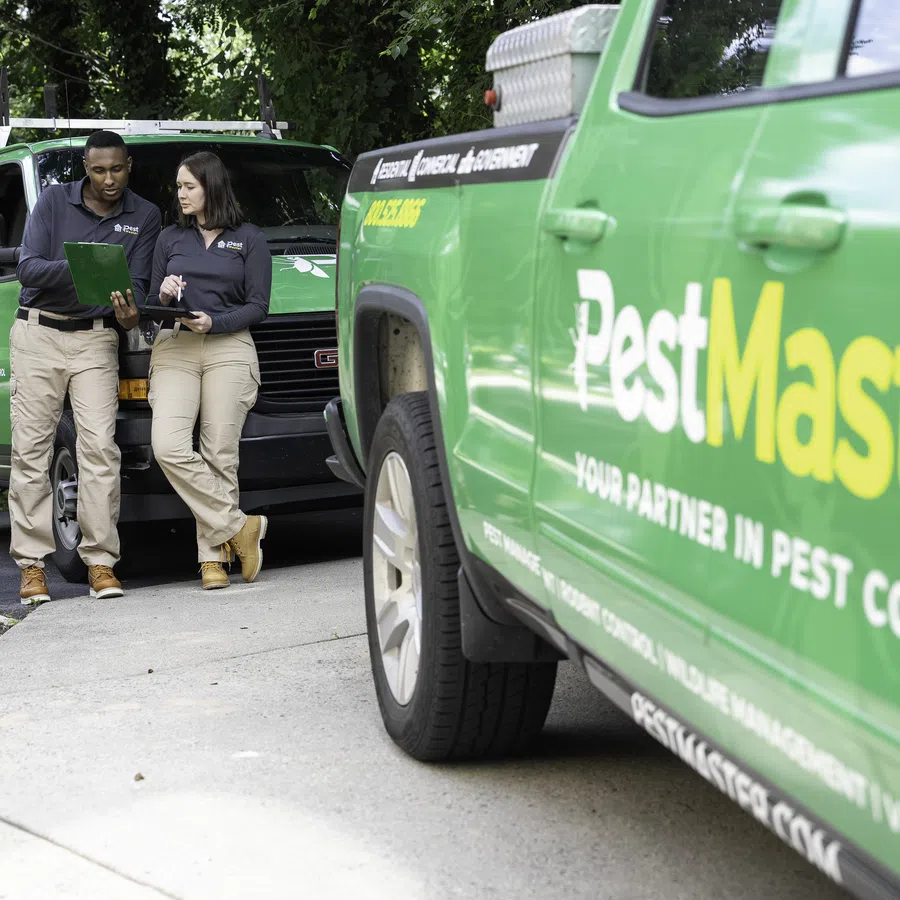
As a PestMaster franchise owner in Charlotte, you'll enter this market with a proven system, an established brand, proprietary products, and operational support that independent operators simply can't replicate. You won't be starting from scratch; you'll be stepping into a defined territory with a built-in marketing framework, training infrastructure, and a customer acquisition playbook refined across dozens of markets.
The PestMaster model is designed to build recurring revenue. The goal isn't just to sell a one-time service—it's to become the trusted, long-term pest control partner for Charlotte homeowners who have too much invested in their homes to leave pest management to chance.
Frequently Asked Questions
Q What is the total addressable market for a pest control franchise in Charlotte, NC?
Charlotte has approximately 467,000 total households and roughly 188,000 owner-occupied homes. When you factor in commercial properties, real estate inspection demand, and property management accounts across Mecklenburg County and surrounding areas, the total addressable market for a professional pest control operator is substantial. The combination of ongoing population growth, an aging housing stock, and year-round pest pressure makes Charlotte one of the most attractive pest control territories in the Southeast.
Q What pests are most common in the Charlotte, NC area?
Charlotte-area homeowners most commonly deal with subterranean termites, cockroaches, fire ants, mosquitoes, rodents (mice and rats), bed bugs, and wood-destroying insects associated with crawl space moisture. The city's humid subtropical climate means pest activity continues in some form throughout the year, which supports strong demand for recurring service plans rather than one-time treatments.
Q Is Charlotte a good market for building recurring service revenue?
Yes. The combination of high homeownership, high home values, a younger demographic that prioritizes home protection, and year-round pest pressure all support recurring subscription-based service models. Homeowners who've invested $385,000 to $430,000 in a property are highly motivated to maintain regular pest control service agreements, particularly for termite protection and general pest exclusion programs.
Q How large is the Charlotte franchise territory?
Territory boundaries and coverage area will be discussed during the franchise discovery process. PestMaster territories are defined to provide franchise owners with a meaningful, protectable customer base while ensuring the market is large enough to support a scalable operation. Contact us directly to review the specific scope of the Charlotte market.
Q What kind of training and support does PestMaster provide to franchise owners in Charlotte?
PestMaster franchise owners receive comprehensive initial training covering technical pest control, business operations, sales and customer service, and regulatory compliance. Ongoing support includes marketing assistance, proprietary product access, business coaching, field support, and a network of fellow franchise owners. You don't need prior pest control experience to qualify; you need drive, a commitment to customer service, and the desire to build an owner-operated business.
Q Does PestMaster offer financing assistance for the Charlotte territory?
Third-party financing options vary. We encourage interested candidates to reach out directly to discuss investment requirements and available funding resources for the Charlotte market. The initial investment level and earning potential will be outlined in detail during the qualification process.
Q How do I find out if the Charlotte, NC territory is still available?
Territory availability changes. The best way to confirm current availability and take the first step in the qualification process is to submit an inquiry through our website or call our franchise development team directly. Territories in high-growth markets like Charlotte move quickly, and early conversations don't create any obligation on your part.
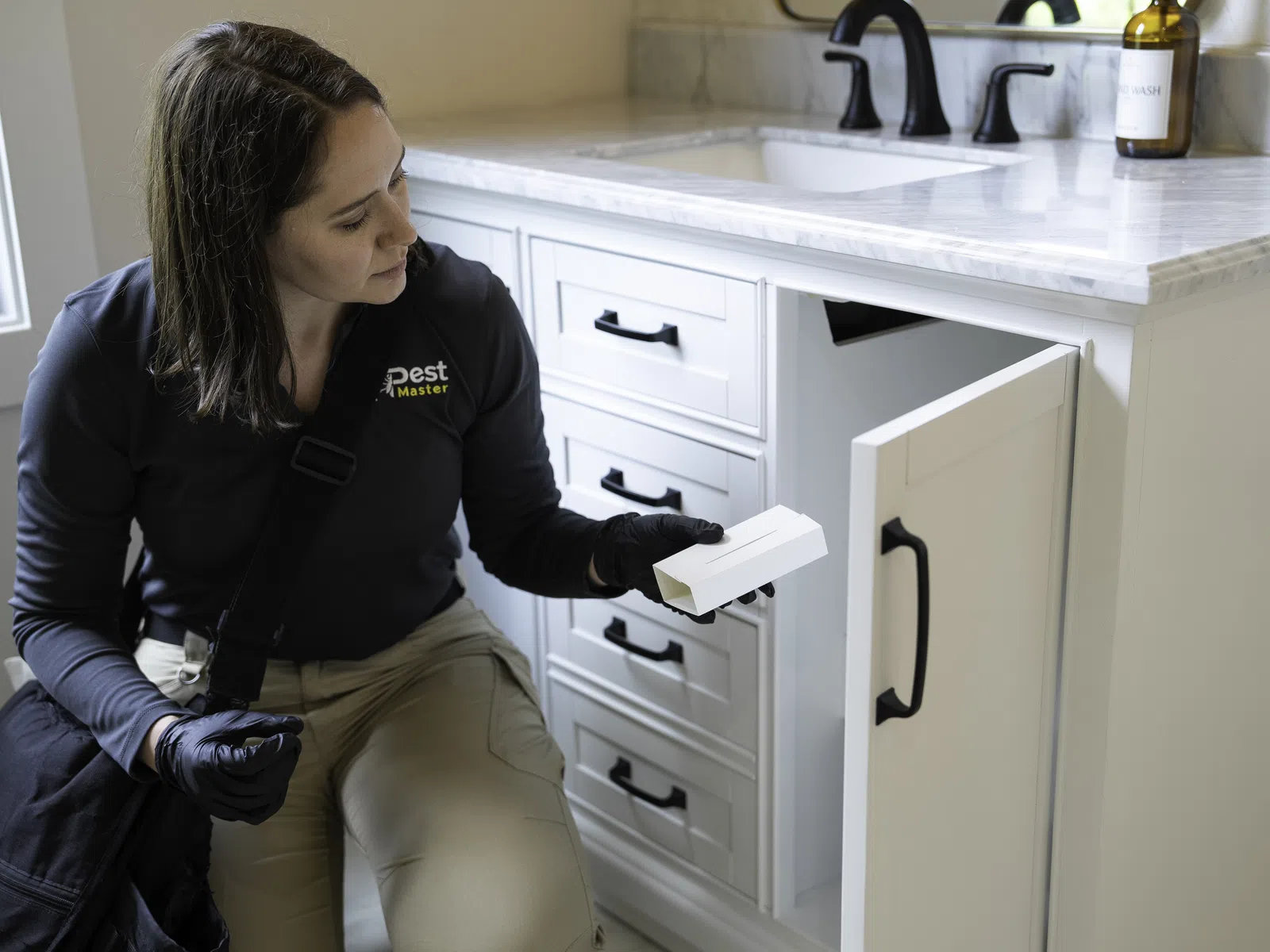
Ready to Learn More About the Charlotte, NC Territory?
The data is clear: Charlotte is a high-growth, high-income market with strong homeownership, aging housing stock, and year-round pest pressure. For the right franchise owner, this territory offers the kind of market conditions that make building a scalable, recurring-revenue pest control business genuinely achievable.
Take the first step today. Submit your inquiry and a PestMaster franchise development representative will be in touch to walk you through territory details, investment requirements, and next steps.