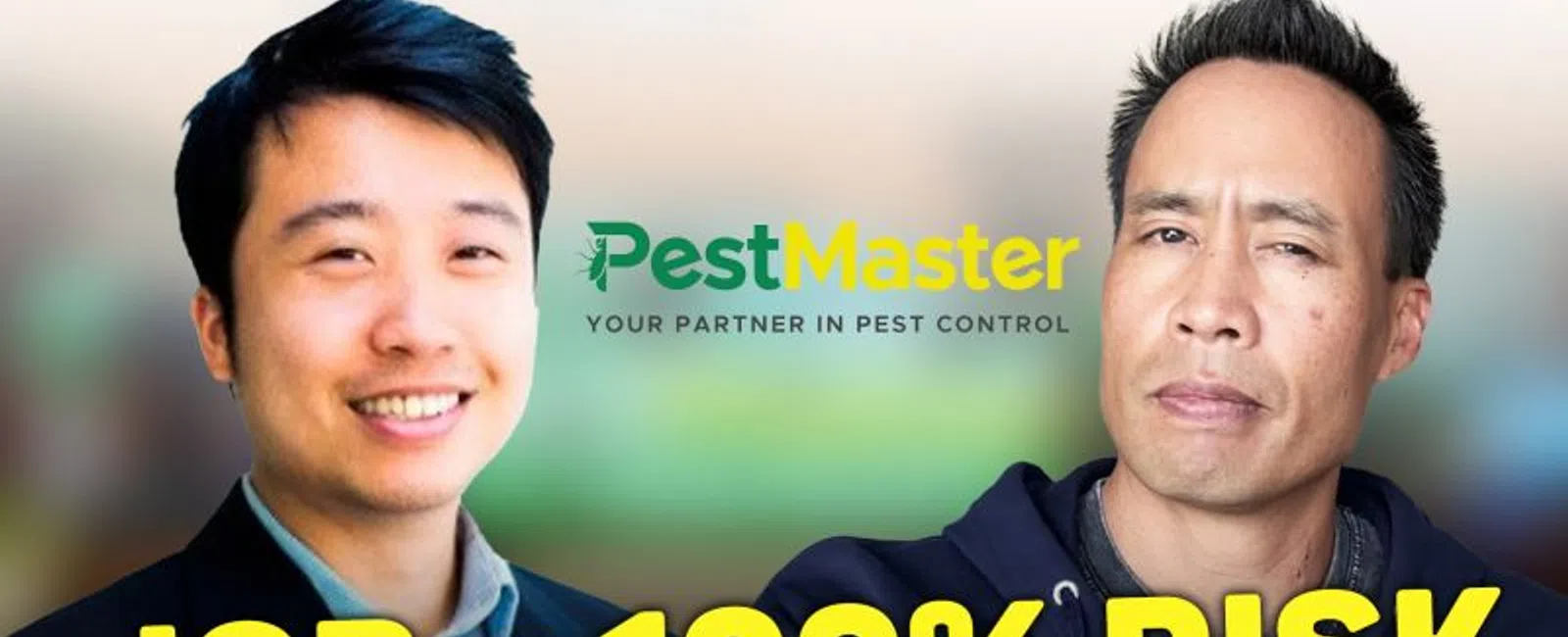
January 2026 - Which Is Riskier: Owning a Business or Having a Job?
Most people think they already know the answer. Entrepreneurship feels risky. A corporate job feels safe.
But when you slow down and actually look at how risk works in the real world, especially in today's economy, that assumption starts to fall apart.
This question matters more than ever for professionals rethinking long-term stability, income security, and control over their future.
The Myth of the "Safe" Corporate Career
Climbing the corporate ladder is often framed as the responsible choice. Steady paycheck. Benefits. Tenure. Predictability.
But here's what often happens in corporate America:
-
Restructuring cycles become routine
-
Layoffs are tied to strategy, not performance
-
Tenure does not equal protection
Many professionals survive multiple rounds, until they don't.
When a layoff hits, the impact is absolute:
-
100% of income disappears overnight
-
No diversification
-
No backup clients
-
No control over the decision
That's not hypothetical risk. That's concentrated risk.
How Business Ownership Actually Distributes Risk
Now compare that to owning a business with a diversified client base.
If you serve 40-60 clients and lose one:
-
You lose 2-3% of revenue
-
The business keeps operating
-
Cash flow continues
-
You retain control
This is the core difference between single-employer dependency and diversified revenue ownership.
The Math Most People Don't Do
-
One employer = one income source
-
Multiple clients = distributed risk
From a purely financial standpoint, diversified client revenue is structurally more stable than relying on a single paycheck—no matter how "secure" that paycheck feels.
A Real Example from the Franchise World
This isn't just theory.
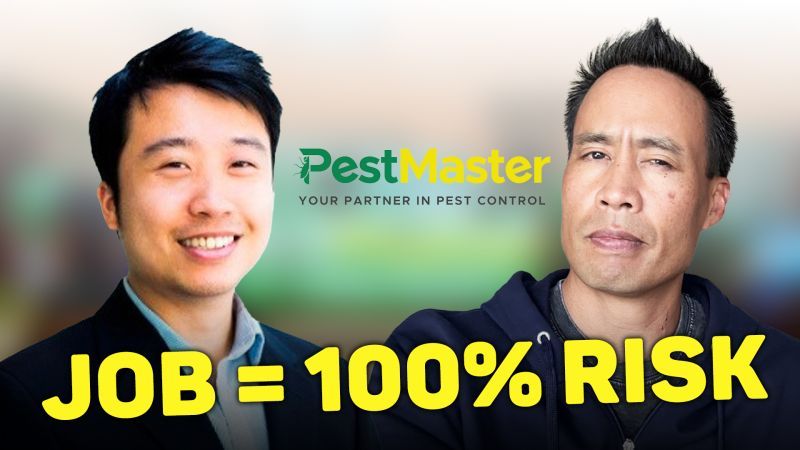
On The Franchise Champion Show, host Alan Regala interviews Stephen Tsang, a former corporate professional who lived through five rounds of corporate restructuring.
He did everything right. He survived, until the sixth round.
That experience forced a hard reassessment of what "stability" actually means.
Why He Chose a Pest Control Franchise Model
Stephen didn't jump blindly into entrepreneurship. He chose a business model designed to reduce risk, not increase it.
That led him to PestMaster, a recession-resistant franchise built around:
-
Integrated Pest Management (IPM)
-
Recurring commercial and government contracts
-
Compliance-driven, essential services
-
Long-term prevention, not one-off transactions
Within ten months, he built:
-
Monthly recurring revenue
-
21 commercial clients
-
A semi-absentee structure with a General Manager from day one
If one client leaves, the business continues. If one contract ends, revenue doesn't vanish.
Recession-Resistant and AI-Resistant by Design
Certain industries are better positioned for long-term stability.
Pest control is one of them.
-
Pests don't disappear during recessions
-
Commercial and government properties require ongoing service
-
Compliance and documentation matter
-
Work must be performed on-site, AI can't automate it
This is why IPM-based pest control franchises continue to attract professionals looking for durable, real-world businesses.
So… Which Path Is Actually Riskier?
When you strip away the narratives and look at control, diversification, and downside exposure, the answer becomes clearer.
-
A corporate job concentrates risk in one employer
-
A diversified business spreads risk across dozens of clients
The "safe" option isn't always the stable one.
Hear the Full Story
Stephen's full journey, how he reframed risk, chose the right model, and built real income stability, is covered in Episode #22 of The Franchise Champion Show.
It's an honest, eye-opening conversation for anyone questioning whether their corporate job is actually the risky option.
Give the episode a listen: https://lnkd.in/e3Sk4sbz